
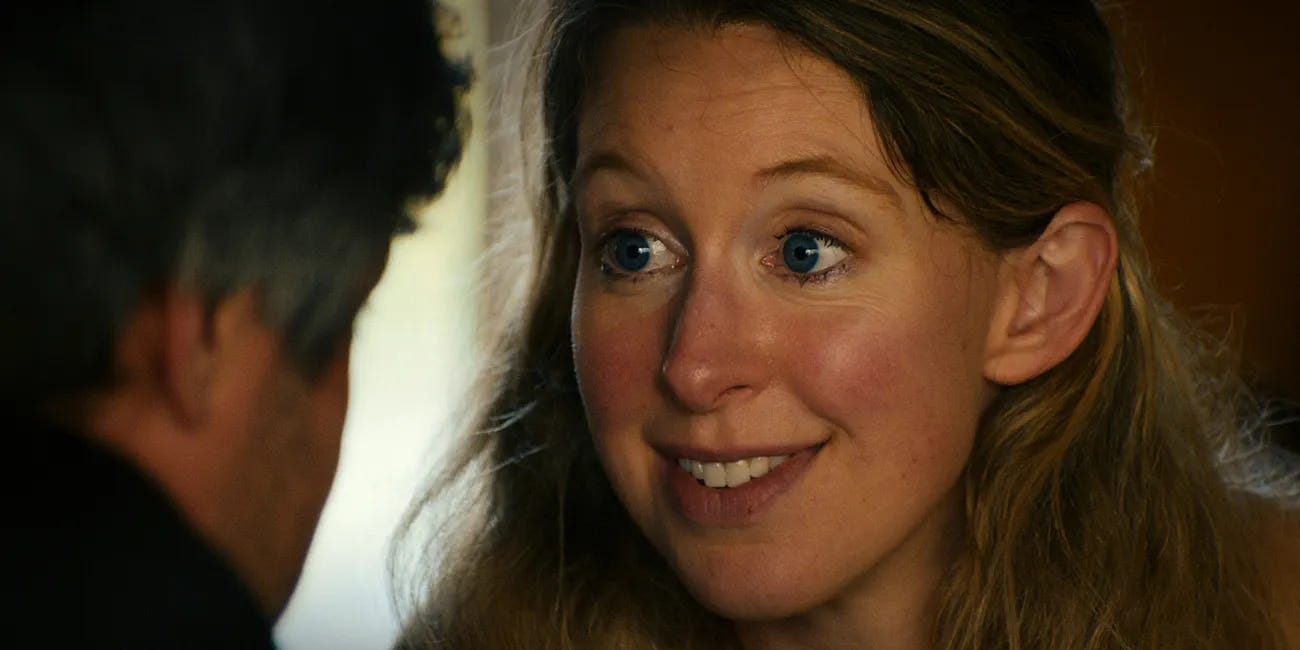
What it says about us that You Can See Everything is the most talked-about cultural event of the year is part of the meta-commentary the film is trying to make. The film’s provocative experience raises as many questions as it raises ethical issues, but no other piece of work represents 2026 just like this one. It’s not the only one, though; the week sees a series of worthy releases, like Boots Riley sophomore Marxist satire, Paweł Pawlikowski’s musings about a lost Europe, the winner of this year’s Berlin Film Festival, and a heartbreaking British drama about dementia (as part of the British Film Festival).
The world of literature was caught off guard by the surprise crowning of M. John Harrison’s End of Everything for the 2026 Booker Prize. The first sci-fi novel to win the award, and the oldest writer to ever receive it, is a well-deserved recognition for this thrilling postapocalyptic novel.
Film review: You Can See Everything

Lance Oppenheim and Nathan Fielder’s documentary following Elizabeth Holmes’s last month of freedom before she has to serve an 11-year sentence for fraud (and her life two years into that sentence) is not the best way to understand who Holmes is. Or maybe it is? Fielder has never been one to answer any questions; his style hinges more on the audacity of…
Book review: The End of Everything

Historian Mary Beard, the chair of this year’s Booker Prize, says the decision to crown The End of Everything as this year’s winner was a unanimous decision, reached after a full day of deliberation. The result was surprising to many in literary circles: Marlon James, a former winner, was the favourite for his sprawling
Music: a guide to Nicolas Jaar

For more than a decade, Nicolas Jaar has seemingly been enslaved to the studio for a series of epic electronic soundtracks. In between his collaborations with emerging directors, he has crafted his own eclectic, experimental albums that venture through rave, ambient, driving techno, and atmospheric instrumentals.
Film review: Godzilla Minus Zero

Don’t worry about the maths, just focus on the monsters in Godzilla Minus Zero.
Film review: Queen at Sea

Even before we’re introduced to the characters, the plot of Queen at Sea kicks off. Life doesn’t wait for context; it just happens. And here it emerges right out of the gate to kick-start a series of events that slowly but surely lead to its emotional demise. Amanda (Juliette Binoche) accidentally catches her elderly mother and her stepfather having sex…
Film review: Fatherland

It’s important to note that Paweł Pawlikowski is a co-production between Germany, Poland, France and Italy. This is normal in Europe; Pawlikowski’s previous film, Ida, also shared the credits with four countries (Poland, France, Denmark and the UK), but here it resonates more.
Film review: I Love Boosters

The cinema of Boots Riley is made of the purest intentions. An artist can make a film because of an itch in him that needs to come out, or a selfish will to gain fame and recognition. An artist can take a million shapes and forms, and Boots Riley makes films to change the world to what he wants the world to see. He throws away any preconceived ideas of …
Film review: Yellow Letters

The simple and effective political power of cinema sits in the front seat of German-Turkish filmmaker Ilker Çatak’s new film, Yellow Letters, a film whose mere existence is an act of defiance. Yet behind the revolutionary ideas and terrific performances is a modest, and maybe generic, formality.